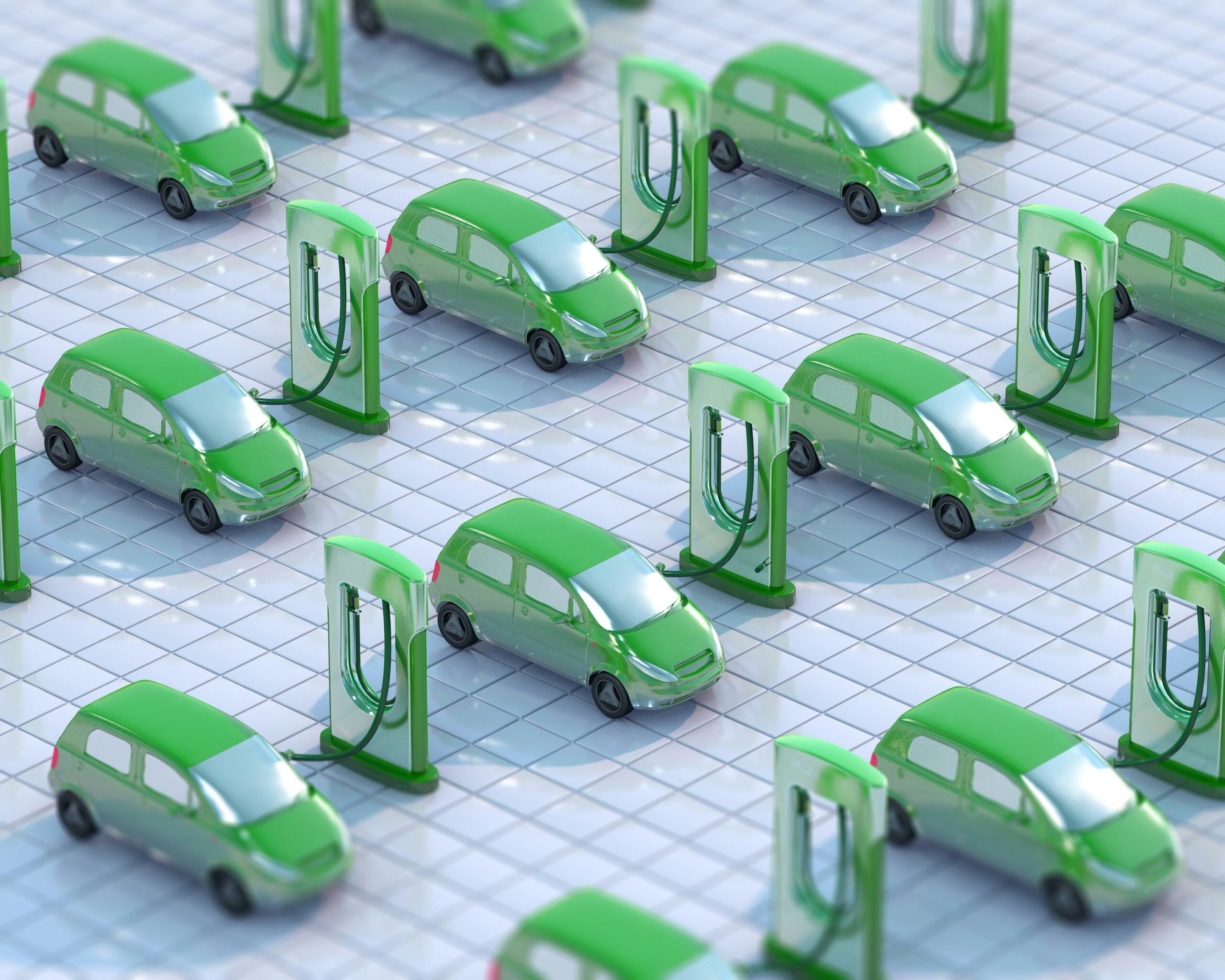
Businesses across industries are facing increasing pressure to reduce their environmental impact while maintaining efficient operations. Transportation remains one of the largest contributors to carbon emissions, making fleet management a key area where companies can create meaningful change. A shift toward a low-carbon fleet allows organizations to lower emissions, improve operational efficiency, and support long-term sustainability goals.
Green fleet solutions provide businesses with practical strategies to modernize their transportation operations. These solutions include electric vehicles, alternative fuels, smart fleet technology, efficient routing systems, and sustainable maintenance practices. By adopting these approaches, companies can reduce their dependence on traditional fuel sources while creating a more resilient and cost-effective fleet.
Understanding What a Low-Carbon Fleet Means
A low-carbon fleet is a transportation system designed to minimize greenhouse gas emissions compared to conventional vehicle fleets. It typically includes electric vehicles, hybrid models, renewable fuel options, and technologies that improve fuel efficiency. The goal is not only to reduce emissions but also to create a smarter and more sustainable approach to business mobility.
For many companies, transitioning to a low-carbon fleet does not require replacing every vehicle immediately. Instead, businesses can create a gradual transition plan that combines new vehicle investments with improved fleet management strategies. This approach allows organizations to balance sustainability goals with budget requirements and operational needs.
Green fleet solutions help businesses identify areas where they can make improvements without disrupting daily operations. By analyzing fuel consumption, vehicle usage patterns, and transportation needs, companies can determine which changes will deliver the greatest environmental and financial benefits.
Evaluating Current Fleet Performance Before Making Changes
Before transitioning to a low-carbon fleet, businesses should evaluate their existing fleet performance. Understanding current fuel usage, maintenance costs, vehicle age, and carbon emissions provides a clear starting point for future improvements. This information helps companies create realistic sustainability targets and measure progress over time.
Fleet assessments also allow businesses to identify inefficient vehicles and unnecessary expenses. Older vehicles often require more maintenance and consume more fuel, which increases both operating costs and environmental impact. Replacing these vehicles with cleaner alternatives can create immediate improvements in efficiency and sustainability.
Additionally, businesses should analyze how vehicles are used throughout daily operations. Some vehicles may travel predictable routes or cover shorter distances, making them ideal candidates for electric vehicle replacement. Others may require longer driving ranges and may benefit from hybrid or alternative fuel options.
Adopting Electric Vehicles as Part of Green Fleet Solutions
Electric vehicles have become one of the most effective tools for businesses seeking to reduce fleet emissions. Unlike traditional gasoline and diesel vehicles, electric vehicles produce no direct tailpipe emissions, helping companies significantly lower their carbon footprint. They also offer benefits such as reduced fuel expenses and lower maintenance requirements.
However, successful electric fleet adoption requires careful planning. Businesses need to consider factors such as charging infrastructure, vehicle range, employee training, and energy availability. Installing workplace charging stations and developing charging schedules can help ensure that electric vehicles remain reliable for daily operations.
Companies can also begin their transition by introducing electric vehicles into specific areas of their fleet. Delivery vehicles, company cars, and service vehicles that operate within limited geographic areas are often suitable for early adoption. Over time, businesses can expand electric vehicle use as technology improves and infrastructure becomes more accessible.
Using Smart Fleet Technology to Improve Efficiency
Technology plays an important role in creating a more sustainable fleet. Modern fleet management platforms provide businesses with valuable insights into vehicle performance, driver behavior, fuel consumption, and route efficiency. These tools help companies make data-driven decisions that reduce waste and improve productivity.
Telematics systems can monitor factors such as excessive idling, aggressive driving, and inefficient routes. By identifying these issues, businesses can encourage better driving habits and reduce unnecessary fuel consumption. Even small improvements in driver behavior can create significant environmental benefits when applied across a large fleet.
Furthermore, smart routing technology helps companies reduce travel distances and optimize delivery schedules. Efficient route planning lowers fuel use, decreases vehicle wear, and improves customer service. When combined with other green fleet solutions, digital tools create a more efficient and environmentally responsible transportation system.
Exploring Alternative Fuels and Sustainable Options
While electric vehicles are gaining popularity, alternative fuels remain an important part of the low-carbon transition. Depending on business needs, companies may explore options such as renewable diesel, biodiesel, hydrogen fuel cells, and other cleaner energy sources. These alternatives can help reduce emissions in areas where full electrification may not yet be practical.
Businesses operating heavy-duty vehicles or long-distance transportation fleets may find alternative fuels especially valuable. Trucks, specialized equipment, and commercial vehicles often require longer ranges and higher power capacity. In these cases, cleaner fuel options can provide a realistic path toward reducing emissions while maintaining performance.
Choosing the right fuel strategy depends on several factors, including vehicle requirements, availability, cost, and environmental goals. A flexible approach allows companies to combine different technologies and create a fleet system that matches their unique operational demands.
Creating a Sustainable Fleet Management Strategy
A successful low-carbon fleet transition requires more than purchasing cleaner vehicles. Businesses need a comprehensive fleet management strategy that includes sustainability goals, employee engagement, financial planning, and ongoing performance tracking. Clear objectives help organizations stay focused and measure the impact of their efforts.
Employee involvement is also essential for long-term success. Drivers should receive training on efficient driving practices, electric vehicle operation, and sustainability policies. When employees understand the benefits of green fleet solutions, they are more likely to support and participate in the transition.
Additionally, businesses should regularly review their fleet performance and update their strategies as technology evolves. The transportation industry continues to change rapidly, and companies that remain adaptable can take advantage of new opportunities for efficiency and emissions reduction.
Managing Costs During the Transition Process
One of the biggest concerns for businesses considering a low-carbon fleet is the cost of implementation. While cleaner technologies may require upfront investment, they often provide long-term financial benefits through lower fuel costs, reduced maintenance expenses, and improved operational efficiency.
Government incentives, tax credits, and sustainability programs can also help reduce the financial challenges associated with fleet transformation. Businesses should research available support programs and evaluate the total cost of ownership when comparing traditional and low-carbon vehicles.
A phased transition approach can further help companies manage expenses. Instead of replacing an entire fleet at once, organizations can gradually introduce green technologies based on vehicle replacement cycles and operational priorities. This strategy allows businesses to achieve sustainability goals while maintaining financial stability.
The Future of Business Transportation Is Sustainable
The transition to a low-carbon fleet represents a major opportunity for businesses to improve efficiency while contributing to environmental protection. As technology continues to advance, companies have more options than ever to reduce emissions and build sustainable transportation systems.
Green fleet solutions provide a practical roadmap for businesses looking to modernize their operations. From electric vehicles and alternative fuels to smart technology and improved management practices, these solutions help organizations create cleaner, more efficient fleets.
Companies that invest in sustainable fleet strategies today will be better prepared for future environmental regulations, changing customer expectations, and evolving transportation trends. By taking thoughtful steps toward low-carbon operations, businesses can build a stronger and more sustainable future.