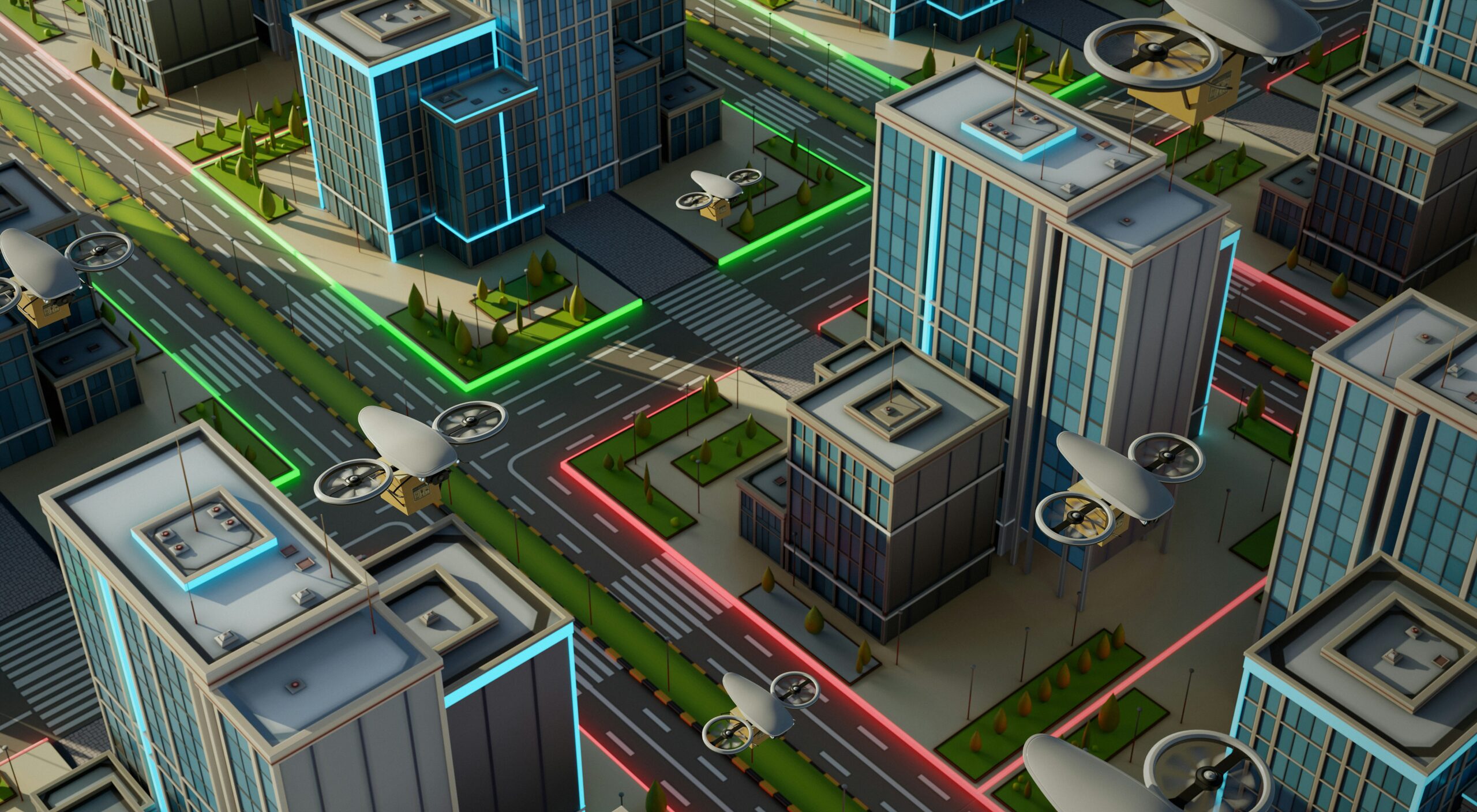
Smart cities are changing the way businesses manage movement, logistics, and transportation networks. As urban populations continue to grow, companies need smarter solutions to handle increasing demand, traffic challenges, and environmental concerns. Therefore, smart city technology is becoming a major force behind the future of commercial transportation. By connecting vehicles, infrastructure, and digital systems, cities can create faster, safer, and more efficient transportation environments.
Moreover, commercial transportation depends on reliable systems that support businesses, customers, and supply chains. Smart cities use advanced technologies such as artificial intelligence, connected sensors, and real-time data analysis to improve transportation performance. As a result, companies can reduce delays, improve delivery operations, and create better experiences for customers. This transformation will help businesses build stronger transportation strategies while adapting to modern urban challenges.
The Role of Artificial Intelligence in Transportation Systems
Artificial intelligence is becoming one of the most important technologies in smart city transportation. AI systems can analyze large amounts of transportation data and identify patterns that improve decision-making. For example, commercial vehicles can use AI-powered navigation systems to avoid traffic congestion, select efficient routes, and reduce fuel consumption. Consequently, businesses can save time and improve overall operational efficiency.
In addition, AI helps cities manage transportation networks more effectively. Smart traffic management systems can predict traffic conditions and adjust signals based on real-time vehicle movement. Therefore, commercial drivers experience fewer delays while cities maintain smoother traffic flow. As AI technology continues to advance, businesses will gain access to more intelligent transportation solutions that support long-term growth and productivity.
Connected Vehicles Will Improve Commercial Mobility
Connected vehicles will play a major role in transforming commercial transportation within smart cities. These vehicles communicate with other vehicles, road infrastructure, and digital platforms to share important information. Because of this connectivity, commercial fleets can improve safety, monitor vehicle performance, and respond quickly to changing conditions.
Furthermore, connected vehicle technology allows companies to manage their fleets with greater accuracy. Fleet managers can track vehicle locations, analyze driving behavior, and schedule maintenance before problems occur. This proactive approach reduces unexpected costs and improves business reliability. As a result, connected vehicles will become a valuable part of modern transportation strategies for companies operating in urban areas.
Autonomous Transportation Will Change Business Operations
Autonomous transportation is another innovation that will influence commercial transportation in smart cities. Self-driving vehicles have the potential to improve delivery services, reduce human errors, and increase transportation efficiency. Although autonomous technology is still developing, many businesses are already exploring how automated vehicles can support logistics and supply chain operations.
Additionally, autonomous commercial vehicles may help businesses manage labor challenges and increase delivery capacity. With advanced sensors and machine learning systems, these vehicles can operate with greater precision and consistency. However, companies must also consider safety standards, regulations, and public acceptance. Therefore, a strategic approach will be necessary to successfully integrate autonomous transportation into smart city environments.
Sustainable Transportation Solutions for Urban Growth
Smart cities are also focused on creating more sustainable commercial transportation systems. As environmental concerns increase, businesses are adopting cleaner transportation options to reduce emissions and support responsible growth. Electric vehicles, renewable energy systems, and efficient route planning are becoming essential parts of modern fleet management.
Furthermore, sustainable transportation helps companies achieve both environmental and financial benefits. Electric commercial vehicles can lower operating expenses by reducing fuel and maintenance costs. At the same time, businesses can strengthen their reputation by supporting environmentally friendly practices. Therefore, smart cities encourage companies to adopt green transportation solutions that benefit both communities and future generations.
Data-Driven Logistics Will Increase Efficiency
Data plays a critical role in improving commercial transportation within smart cities. Modern transportation systems collect information from vehicles, roads, customers, and delivery networks. Businesses can analyze this data to improve logistics planning, predict demand, and make better operational decisions. As a result, companies can create more flexible and efficient supply chain systems.
Moreover, real-time data allows businesses to respond quickly to unexpected transportation challenges. For instance, companies can adjust delivery schedules during traffic disruptions or weather conditions. This level of visibility improves communication between drivers, managers, and customers. Therefore, data-driven logistics will become a key factor in maintaining competitive advantages in the future transportation industry.
Smart Infrastructure Will Support Faster Transportation Networks
Smart infrastructure will provide the foundation for advanced commercial transportation systems. Cities are investing in intelligent roads, charging stations, digital traffic controls, and connected communication networks. These improvements help commercial vehicles operate more smoothly while reducing transportation problems in crowded urban areas.
Additionally, smart infrastructure creates opportunities for businesses to expand their transportation capabilities. Companies can use improved road networks and digital systems to deliver products faster and reach more customers. Therefore, investment in smart infrastructure will support economic growth and create stronger connections between businesses and communities.
The Future of Commercial Transportation in Smart Cities
The future of commercial transportation will depend on how effectively businesses and cities adopt smart technologies. Smart cities will continue to combine artificial intelligence, automation, connectivity, and sustainability to create better transportation systems. As these technologies develop, companies will have more opportunities to improve efficiency, reduce costs, and provide higher-quality services.
Ultimately, smart cities will transform commercial transportation by creating a more connected, intelligent, and sustainable environment. Businesses that embrace these changes will be better prepared for future challenges and opportunities. Through innovation, digital tools, and strategic planning, commercial transportation can become a powerful driver of economic growth and urban development.