Sustainable transportation has become a defining force in modern mobility. As cities expand and environmental awareness grows, people demand cleaner, smarter, and more efficient ways to move. Therefore, governments, businesses, and communities invest heavily in systems that reduce emissions and improve the quality of life. Moreover, sustainable transportation supports economic growth while protecting natural resources. This balance makes it one of the most influential trends shaping how society travels today and tomorrow.
Urban design adapts to people-focused travel.
Urban design now places people at the center of sustainable transportation. City planners rethink streets to encourage walking, cycling, and shared mobility. Consequently, neighborhoods become safer, quieter, and more connected. Moreover, green spaces blend with transportation corridors to improve comfort and health. However, planners must align infrastructure with community needs. Therefore, public engagement plays a key role in shaping successful urban mobility strategies.
Electric mobility leads the clean transportation change.
Electric mobility continues to drive progress in sustainable transportation. Electric vehicles reduce reliance on fossil fuels and lower air pollution. As a result, cities experience cleaner air and reduced noise. Moreover, manufacturers improve battery performance and affordability, which encourages adoption. Therefore, charging infrastructure expands rapidly across urban and suburban areas. This growth strengthens confidence and supports widespread use of electric mobility solutions.
Public transportation evolves for efficiency.
Public transportation remains essential to sustainable transportation systems. Transit agencies modernize fleets with cleaner energy sources and advanced technology. Meanwhile, real-time tracking improves reliability and rider satisfaction. Moreover, seamless connections between buses, trains, and shared mobility options simplify travel. Therefore, public transportation becomes a convenient and attractive choice for both daily commuting and long-distance travel.
Micromobility supports short-distance travel.
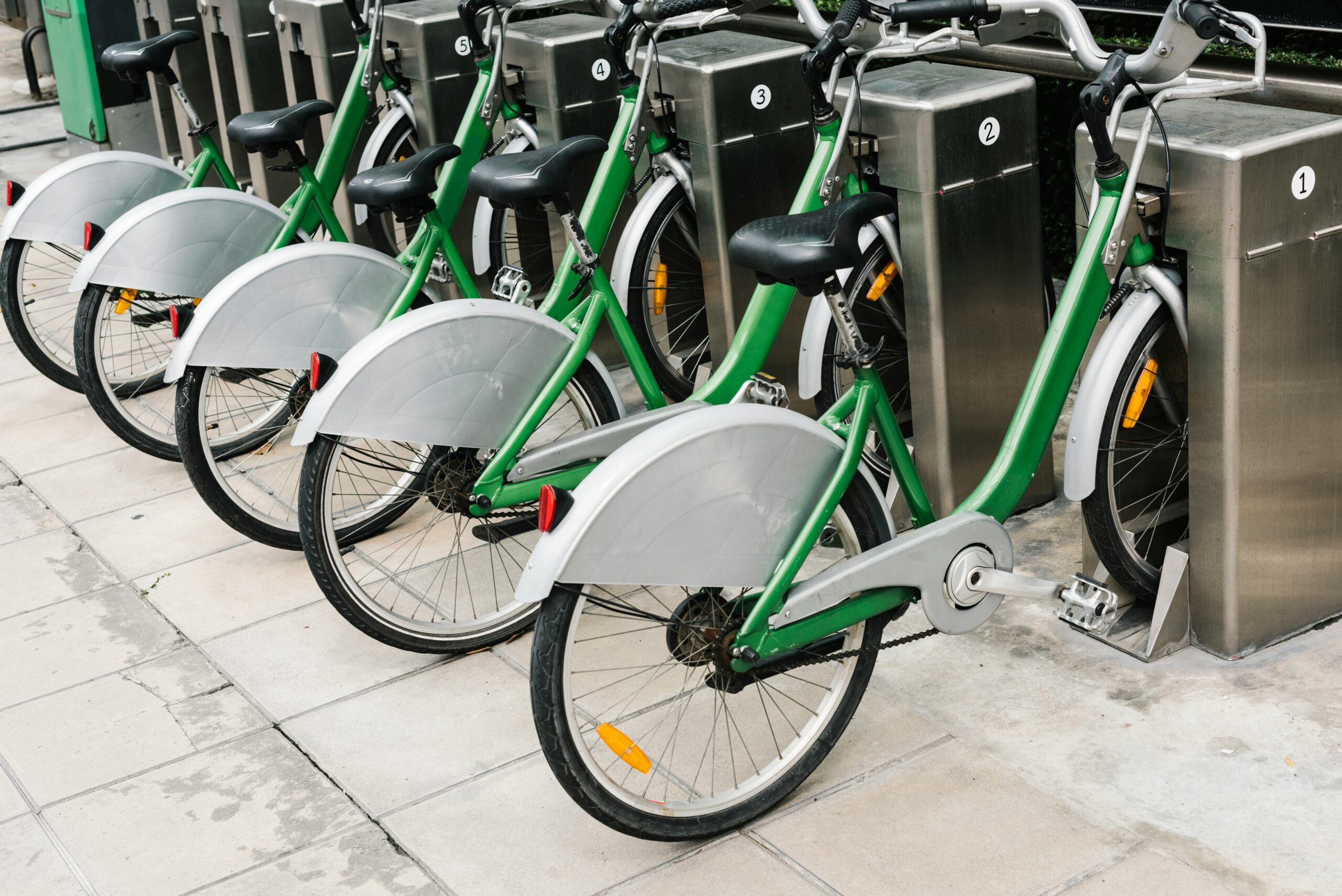
Micromobility options play a growing role in sustainable transportation. Bicycles and lightweight electric devices offer flexible solutions for short trips. Consequently, travelers reduce car usage and ease congestion. Moreover, cities invest in protected lanes to enhance safety and accessibility. Therefore, micromobility supports healthier lifestyles and more efficient urban movement. This shift also strengthens local economies by increasing neighborhood access.
Freight transportation adopts greener practices.
Freight transportation increasingly embraces sustainable transportation principles. Companies optimize delivery routes to reduce fuel use and emissions. As a result, logistics operations become more efficient and cost-effective. Moreover, urban distribution centers shorten delivery distances and improve traffic flow. Therefore, sustainable freight solutions support both environmental goals and business performance. Collaboration across supply chains further accelerates these improvements.
Renewable energy powers transportation systems
Renewable energy integration strengthens sustainable transportation networks. Solar and wind power increasingly support transit systems and vehicle charging. Consequently, transportation emissions decrease across the entire energy cycle. Moreover, smart grids efficiently balance supply and demand. Therefore, energy and mobility systems work together to create resilient infrastructure. This integration also enhances energy security and long-term sustainability.
Policy leadership drives sustainable transportation.
Strong policy leadership shapes the future of sustainable transportation. Governments set clear goals, provide funding, and establish standards. Moreover, incentives encourage innovation and private investment. Consequently, new technologies reach the market faster. However, policies must remain adaptable to evolving needs. Therefore, continuous evaluation ensures that regulations support progress without limiting creativity or access.
Equity ensures inclusive mobility solutions.
Equity stands at the heart of sustainable transportation. Mobility systems must serve diverse populations fairly and affordably. Moreover, accessible transportation connects people to jobs, education, and healthcare. Consequently, inclusive planning reduces social and economic disparities. Therefore, decision makers prioritize underserved communities when allocating resources. This approach builds trust and strengthens overall system effectiveness.
Technology enhances mobility experiences.
Technology enhances every aspect of sustainable transportation. Digital platforms integrate trip planning, payment, and real-time updates. Moreover, data analytics improve safety and system efficiency. Consequently, travelers make informed choices quickly and easily. However, transparency and data protection remain essential. Therefore, responsible technology use builds public confidence and long-term adoption.
Cultural change supports sustainable choices.
Cultural attitudes strongly influence transportation behavior. Sustainable transportation gains acceptance as people value health and environmental responsibility. Moreover, education campaigns and community programs inspire change. Consequently, individuals willingly adopt new habits. Therefore, cultural support reinforces infrastructure investment and policy initiatives. This alignment ensures lasting transformation across generations.
Economic benefits strengthen sustainability efforts.
Sustainable transportation delivers significant economic benefits. Investments create jobs, stimulate innovation, and reduce healthcare costs. Moreover, efficient mobility attracts businesses and tourism. Consequently, cities become more competitive and resilient. Therefore, economic growth and environmental stewardship move forward together. This synergy encourages continued commitment to sustainable solutions.
Future innovation shapes transportation systems.
Innovation continues to reshape sustainable transportation. Advances in automation, connectivity, and materials improve performance and safety. Moreover, research institutions and startups contribute fresh ideas. Consequently, transportation systems adapt quickly to emerging challenges. Therefore, collaboration across sectors remains essential to maintain momentum and scale successful innovations.
The long-term vision for sustainable transportation
The long-term vision for sustainable transportation focuses on balance and resilience. Clean energy, inclusive access, and efficient design work together to support thriving communities. Moreover, continuous learning and adaptation guide progress. Consequently, transportation systems evolve alongside social and environmental needs. Sustainable transportation ultimately shapes a future where mobility enhances life without compromising the planet.