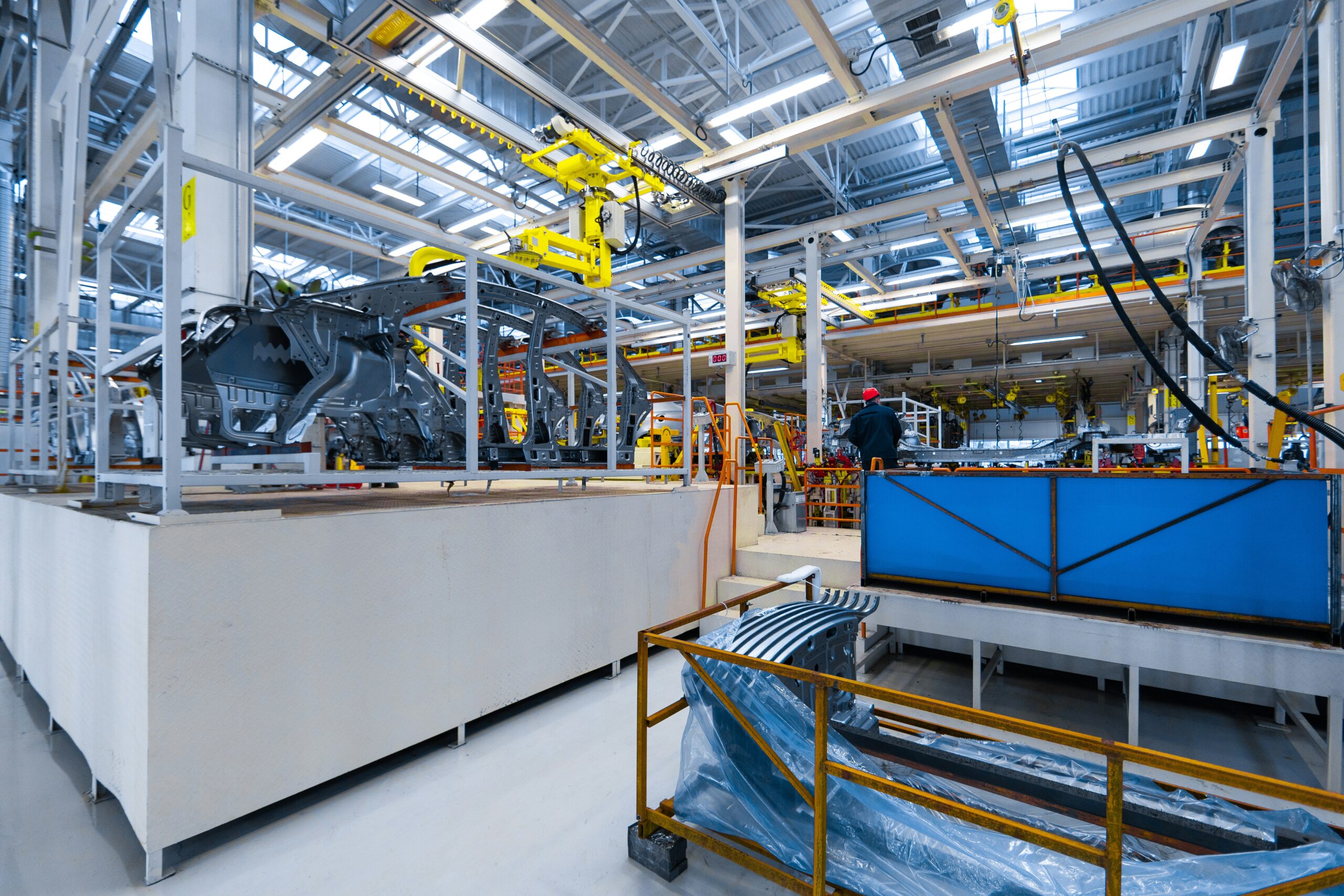
Traditional industries have supported economic growth for generations. Manufacturing, construction, transportation, mining, and agriculture provide essential products, services, and jobs. However, these industries also face rising energy costs, resource shortages, environmental concerns, and changing customer expectations. As businesses seek practical ways to overcome these challenges, clean technology solutions are becoming an increasingly important part of industrial development.
Clean technology offers benefits beyond the environment. It helps companies reduce operating expenses, improve production efficiency, conserve resources, and strengthen long-term competitiveness. Moreover, modern technologies let traditional businesses improve operations without always replacing entire production systems.
As a result, more industrial companies are exploring sustainable technologies that support both financial and environmental goals. Understanding why traditional industries embrace these innovations reveals how clean technology can shape the future of industrial growth.
Understanding Clean Technology Solutions in Traditional Industries
Clean technology solutions include equipment, systems, and processes that reduce environmental harm while improving resource efficiency. These technologies help businesses use less energy, reduce waste, conserve water, and manage materials more effectively. Common examples include energy-efficient machinery, renewable energy systems, industrial recycling equipment, and smart monitoring technologies.
Furthermore, clean technology can support many traditional industries without requiring complete operational changes. Manufacturers can upgrade inefficient motors, construction companies can adopt sustainable materials, and transportation businesses can improve fleet efficiency. These practical improvements allow companies to pursue environmental goals while maintaining productivity and reliable operations.
Rising Energy Costs Encourage Industrial Innovation
Energy represents a major operating expense for many industrial businesses. Manufacturing facilities need electricity to power machinery, while transportation companies depend on fuel to move products. Similarly, construction and mining operations require substantial energy to run equipment and support daily activities. As a result, changes in energy prices can affect profitability and long-term financial planning.
Clean technology solutions help businesses manage these challenges through better energy efficiency. Advanced motors, efficient heating systems, and energy monitoring equipment can reduce unnecessary consumption. Additionally, renewable energy systems may help some facilities manage electricity expenses over time. By improving energy management, industrial companies can control costs and strengthen their financial position.
Improving Operational Efficiency Through Sustainable Technology
Operational efficiency remains a major priority for traditional industries. Businesses must produce quality products, maintain reliable equipment, and meet customer expectations while controlling expenses. However, outdated machinery and inefficient processes can waste energy, materials, and employee time. As a result, companies increasingly view clean technology as a practical way to improve daily operations.
For example, smart sensors can identify equipment problems before they cause serious production delays. Automated monitoring systems can also reveal excessive energy consumption and inefficient production patterns. Moreover, modern equipment may require less maintenance and support more consistent performance. These improvements help businesses increase productivity while reducing unnecessary resource use.
Reducing Waste and Improving Resource Management
Industrial waste creates financial and environmental challenges for businesses. Manufacturing processes may generate unused materials, while construction projects often produce large amounts of debris. Similarly, agricultural operations must carefully manage water, organic waste, and other resources. Poor resource management can increase disposal expenses and reduce overall efficiency.
Fortunately, clean technology solutions offer practical ways to address these problems. Advanced recycling systems can recover useful materials, while improved production planning can reduce unnecessary waste. Additionally, water treatment and reuse technologies can help industrial facilities conserve water. By using resources more efficiently, businesses can lower expenses and support responsible environmental practices.
Meeting Environmental Regulations and Industry Standards
Environmental regulations influence how many traditional industries operate. Governments set requirements for emissions, waste disposal, water quality, and energy use. Although specific rules vary by location and industry, companies must understand the requirements that apply to their operations. As a result, environmental compliance often influences equipment purchases and production planning.
Clean technology solutions can help businesses address relevant compliance needs. For instance, improved filtration systems may reduce certain emissions, while advanced wastewater treatment equipment can support water quality goals. Digital monitoring tools can also help companies track environmental performance and maintain useful records. These technologies support more effective environmental management while helping businesses prepare for changing requirements.
Strengthening Business Competitiveness Through Sustainability
Competition encourages industrial companies to improve their products, services, and operating methods. Customers increasingly consider product quality, cost, reliability, and environmental performance when choosing suppliers. Therefore, businesses that improve resource efficiency may strengthen their position in markets where sustainability influences purchasing decisions.
Moreover, clean technology can support long-term business planning. Companies that reduce material waste and energy consumption may face lower exposure to certain operating costs. Sustainable practices can also help businesses respond to customer requirements and supply chain expectations. However, the value of these improvements depends on each company’s market, investment needs, and operational conditions.
Supporting the Transition Toward Sustainable Manufacturing
Manufacturing remains an important area for clean technology adoption. Factories use machinery, raw materials, electricity, and water to produce goods. As a result, even small efficiency improvements can deliver meaningful benefits across large production operations. Sustainable manufacturing aims to reduce unnecessary resource use while maintaining product quality and output.
Clean technology solutions support this transition through efficient machinery, automated monitoring, and improved material management. For example, manufacturers can use energy management systems to identify wasteful processes. They can also explore equipment upgrades that reduce electricity consumption or recover useful materials. Over time, these changes can help factories develop more efficient and environmentally responsible production methods.
Encouraging Innovation in Transportation and Logistics
Transportation and logistics companies face growing pressure to improve fuel efficiency and manage operating expenses. Commercial vehicles, delivery networks, and freight operations depend on reliable transportation systems. However, fuel consumption, maintenance expenses, and inefficient routes can create significant financial challenges.
As a result, businesses are exploring clean-technology solutions such as electric vehicles, alternative fuels, route-optimization software, and improved fleet-management systems. These technologies offer different advantages depending on vehicle type, operating distance, and available infrastructure. Digital monitoring can also help companies track fuel use and maintenance needs. By selecting suitable solutions, transportation businesses can improve efficiency while reducing certain environmental impacts.