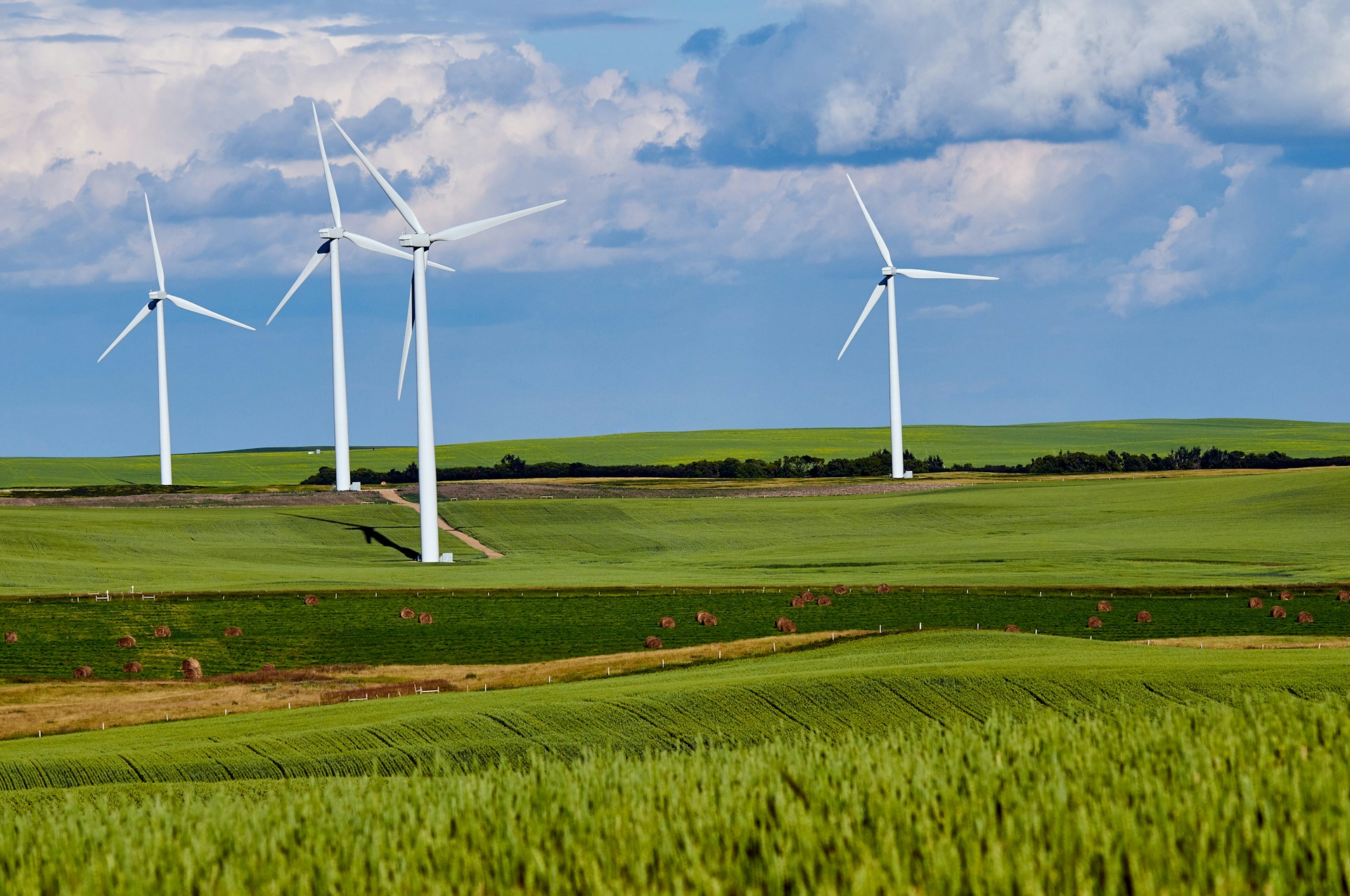
The green economy presents exciting opportunities for businesses seeking sustainable growth and long-term stability. However, environmental challenges, changing regulations, and evolving consumer expectations create new uncertainties. Companies must develop effective strategies to protect their operations while pursuing environmentally responsible practices. By strengthening corporate resilience, organizations can manage potential disruptions and maintain competitive advantages in an increasingly sustainability-focused marketplace.
Moreover, businesses that integrate environmental responsibility into their strategic planning often improve operational efficiency and stakeholder confidence. Sustainable practices can reduce resource waste, encourage innovation, and support financial stability. Therefore, modern organizations must balance environmental commitments with practical risk management strategies to achieve lasting success.
Understanding Corporate Resilience in a Sustainable Economy
Corporate resilience refers to an organization’s ability to anticipate challenges, adapt to changing conditions, and recover from unexpected disruptions. In the green economy, businesses must address environmental, financial, technological, and regulatory risks at the same time. Consequently, companies need flexible operating models that support both sustainability objectives and business continuity.
Furthermore, resilient organizations recognize that environmental responsibility is not simply a compliance requirement. Instead, it represents an opportunity to improve efficiency, strengthen relationships, and establish sustainable competitive advantages. Companies that proactively identify potential threats can respond more effectively to emerging market conditions.
Identifying Environmental and Operational Risks
Environmental risks can significantly affect business performance, especially when companies depend on natural resources, transportation networks, or energy-intensive production. Extreme weather events, resource shortages, and supply chain disruptions may create financial pressure. Therefore, businesses should conduct regular environmental risk assessments to identify vulnerabilities and establish preventive measures.
Operational risks can also arise when organizations adopt unfamiliar sustainable technologies or change established production processes. Although these transitions may introduce temporary challenges, careful planning can minimize disruptions. Businesses should evaluate equipment reliability, workforce capabilities, and implementation costs before introducing major environmental initiatives.
Building Sustainable Supply Chain Strategies
Supply chain resilience plays an important role in maintaining business stability. Companies increasingly face challenges from transportation disruptions, material shortages, and supplier compliance with environmental standards. As a result, organizations should diversify suppliers, improve inventory visibility, and establish reliable partnerships with responsible vendors.
Moreover, businesses can strengthen their supply chains by incorporating sustainable sourcing practices and digital monitoring solutions. These approaches help companies identify potential problems early and reduce unnecessary waste. As a result, stronger supplier relationships and improved transparency can support both environmental performance and operational continuity.
Managing Financial Risks During Green Transitions
Transitioning toward sustainable business operations often requires investments in technology, infrastructure, and employee development. However, these expenses can create short-term financial pressure, particularly for smaller organizations. Therefore, companies should develop realistic budgets, assess potential returns, and prioritize initiatives that align with their long-term objectives.
Financial resilience also improves when businesses diversify revenue streams and maintain sufficient financial reserves. Organizations can also investigate applicable incentives, financing programs, and strategic partnerships that support environmental initiatives. By combining responsible financial planning with sustainable investment decisions, companies can reduce uncertainty and maintain steady progress.
Using Technology to Improve Business Adaptability
Modern technology helps organizations strengthen resilience while pursuing environmental goals. Digital platforms, predictive analytics, and automated monitoring systems provide valuable information about energy consumption, operational performance, and potential risks. As a result, businesses can make informed decisions and respond quickly to unexpected developments.
Additionally, technologies such as smart energy systems, resource management software, and connected equipment can improve efficiency. These solutions help organizations track performance, identify inefficiencies, and reduce unnecessary expenses. However, companies should also strengthen cybersecurity practices and employee training to protect digital operations.
Strengthening Leadership and Employee Engagement
Effective leadership is essential for building a resilient and environmentally responsible organization. Business leaders must establish clear sustainability priorities, communicate expectations, and encourage employees to participate in improvement initiatives. As a result, organizations benefit from leadership teams that combine strategic thinking with practical environmental knowledge.
Similarly, employee engagement strengthens organizational adaptability during periods of change. Training programs can help workers understand sustainable practices, recognize operational risks, and develop relevant technical skills. As a result, businesses create more capable teams that can support innovation while maintaining productivity.
Adapting to Environmental Regulations and Market Changes
Environmental regulations continue to influence corporate decision-making across many industries. Businesses may encounter changing reporting requirements, emissions standards, and resource management policies. As a result, organizations should regularly review applicable regulations and adjust internal procedures to stay compliant.
Moreover, market expectations increasingly influence how companies approach sustainability. Customers, investors, and business partners may evaluate environmental performance before making decisions. Therefore, organizations should communicate sustainability efforts accurately, measure meaningful results, and avoid unsupported environmental claims.
Creating a Long-Term Resilience Framework
A successful resilience framework combines environmental planning, operational flexibility, financial discipline, and continuous improvement. Businesses should set measurable sustainability goals and regularly review potential risks. Scenario planning and performance assessments can also help organizations prepare for unexpected disruptions.
Ultimately, strengthening corporate resilience in the green economy requires consistent commitment rather than temporary adjustments. Companies that invest in adaptable systems, responsible leadership, and sustainable innovation can navigate uncertainty more effectively. By integrating environmental responsibility into everyday business decisions, organizations can protect their operations, build stakeholder trust, and create a stronger foundation for long-term growth.