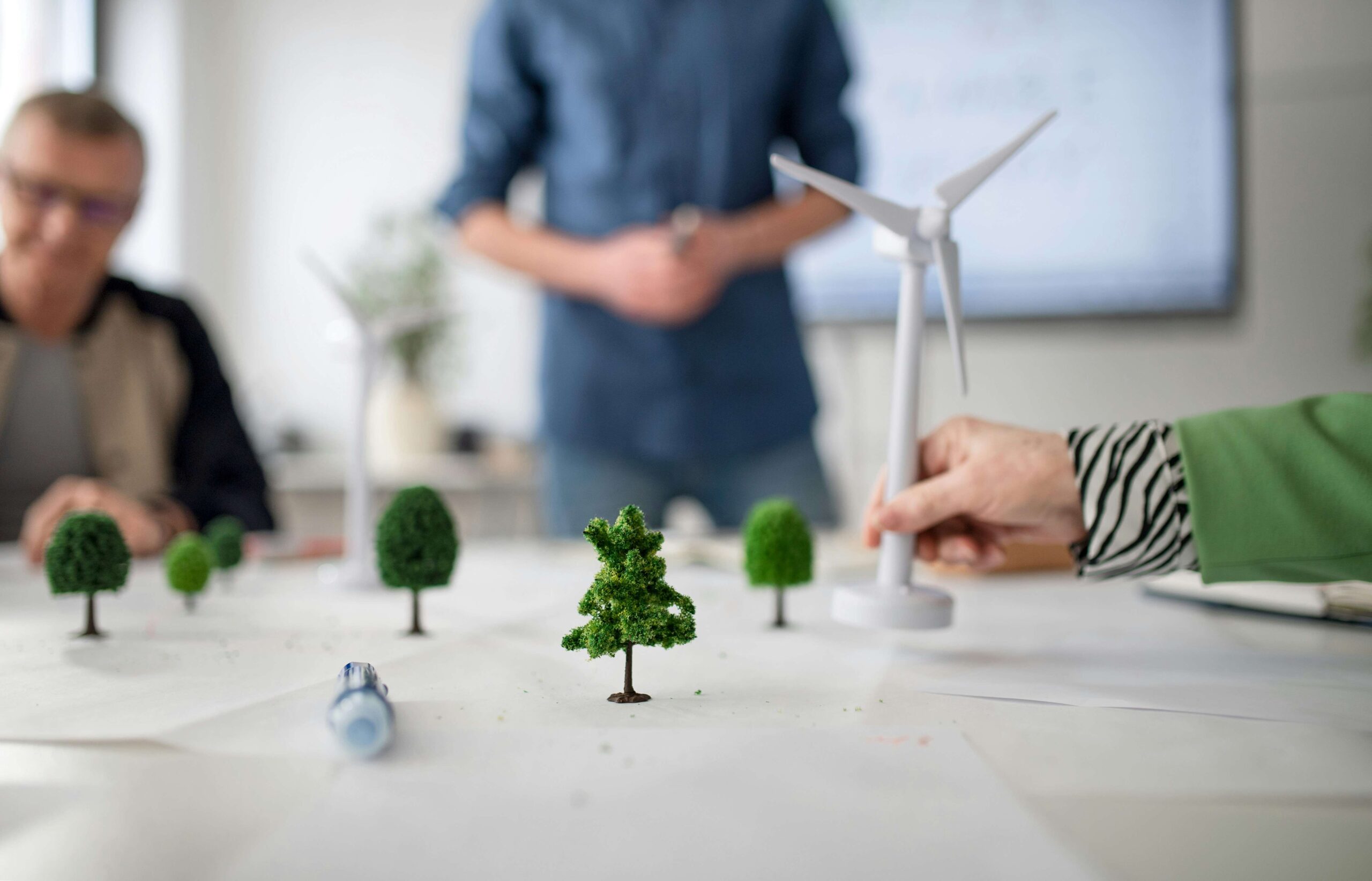
Green innovation is transforming how established industrial markets operate, produce goods, and manage natural resources. As environmental concerns grow, businesses are exploring practical ways to reduce pollution, improve energy efficiency, and minimize waste without sacrificing productivity. Introducing green innovation to established industrial markets requires a thoughtful approach that combines modern technology with existing industrial practices.
Traditional industries, including manufacturing, construction, transportation, and energy production, often depend on long-standing processes and equipment. Although these systems have supported economic growth for decades, many consume significant amounts of energy and raw materials. Green innovation offers opportunities to modernize these operations while helping companies remain competitive in changing markets.
Why Established Industries Need Sustainable Solutions
Industrial businesses face increasing pressure to reduce their environmental impact while maintaining reliable production and controlling operating costs. Customers, investors, and business partners are paying closer attention to sustainability, making environmental responsibility a key part of long-term success.
Green innovation helps companies respond to these expectations through cleaner production methods, renewable energy integration, and improved resource management. For example, manufacturers can install energy-efficient machinery to reduce electricity consumption, while factories can introduce water recycling systems to limit waste. These improvements can lower operating expenses and support stronger environmental performance.
Sustainable practices also help businesses prepare for changing regulations and evolving customer preferences. Companies that invest in environmentally responsible technologies today may be better positioned to adapt to future market requirements.
Overcoming Barriers to Green Technology Adoption
Despite its advantages, introducing sustainable technology into established industrial markets can be challenging. Many companies operate with expensive infrastructure that cannot be replaced easily. Upgrading production systems may require substantial investment, technical expertise, and temporary operational adjustments.
Resistance to change can create another obstacle. Employees and managers who are comfortable with existing procedures may hesitate to adopt unfamiliar technologies. Concerns about reliability, maintenance costs, and production delays can also slow the transition toward greener operations.
Businesses can address these challenges through gradual implementation and careful planning. Rather than replacing entire systems at once, companies can begin with smaller upgrades that demonstrate measurable benefits. Pilot projects let organizations evaluate performance, identify technical problems, and build confidence before expanding successful solutions across operations.
Using Technology to Improve Industrial Sustainability
Modern technology plays a central role in making industrial operations more environmentally responsible. Smart sensors, automation systems, artificial intelligence, and data analytics can help businesses monitor energy consumption, identify inefficiencies, and improve production accuracy.
For instance, predictive maintenance systems can detect equipment problems before major failures occur. This approach reduces unnecessary repairs, extends machinery life, and prevents material waste caused by unexpected breakdowns. Digital monitoring tools can also help factories adjust energy use according to production demands.
Renewable energy technologies provide additional opportunities for industrial improvement. Solar installations, wind power agreements, and energy storage systems can reduce dependence on conventional energy sources. Meanwhile, advanced materials and cleaner manufacturing processes can lower emissions and improve product durability.
By combining these technologies with existing infrastructure, companies can achieve meaningful environmental improvements without disrupting essential business operations.
Building a Business Case for Green Innovation
Successful green innovation depends on more than environmental awareness. Industrial leaders must understand how sustainable investments contribute to financial performance and long-term business stability.
Although some technologies require significant upfront spending, their benefits may include lower utility bills, reduced material consumption, improved equipment reliability, and less waste to dispose of. These savings can strengthen profitability over time. Businesses should evaluate the total cost of ownership rather than focusing exclusively on initial purchase prices.
Government incentives, financing programs, and partnerships with technology providers may also make sustainable upgrades more affordable. Collaborating with research institutions and industry specialists can help companies identify suitable solutions and reduce implementation risks.
Clear performance measurements are equally important. Tracking energy use, emissions, waste generation, and production costs allows managers to assess progress and make informed investment decisions. Transparent reporting also helps demonstrate the value of sustainability initiatives to customers, employees, and investors.
Creating a Culture of Sustainable Industrial Growth
Long-term progress requires organizations to make environmental responsibility part of everyday decision-making. Technology alone cannot transform industrial markets unless employees understand its purpose and participate in the transition.
Training programs can help workers develop the skills needed to operate new equipment, interpret digital performance data, and follow sustainable procedures. Leadership teams should communicate realistic goals and encourage employees to suggest practical improvements.
Supply chain partnerships are also essential. Businesses can work with suppliers that prioritize recyclable materials, responsible sourcing, and efficient transportation. These relationships extend sustainability efforts beyond factory walls and encourage broader environmental improvements throughout the value chain.
Industry collaboration can accelerate progress by sharing technical knowledge, successful practices, and lessons learned from early adoption. As more companies demonstrate the commercial value of green innovation, sustainable technologies can become more accessible and widely accepted.
Shaping the Future of Industrial Markets
Introducing green innovation to established industrial markets is a practical strategy for building resilient businesses and reducing environmental harm. By modernizing existing systems, investing in efficient technologies, and supporting workforce development, companies can balance productivity with sustainability.
The transition does not require every organization to change everything immediately. Consistent improvements, informed investments, and measurable objectives can create lasting results. Businesses that embrace green innovation as an ongoing process will be better equipped to manage resource constraints, meet evolving expectations, and discover new opportunities for industrial growth.