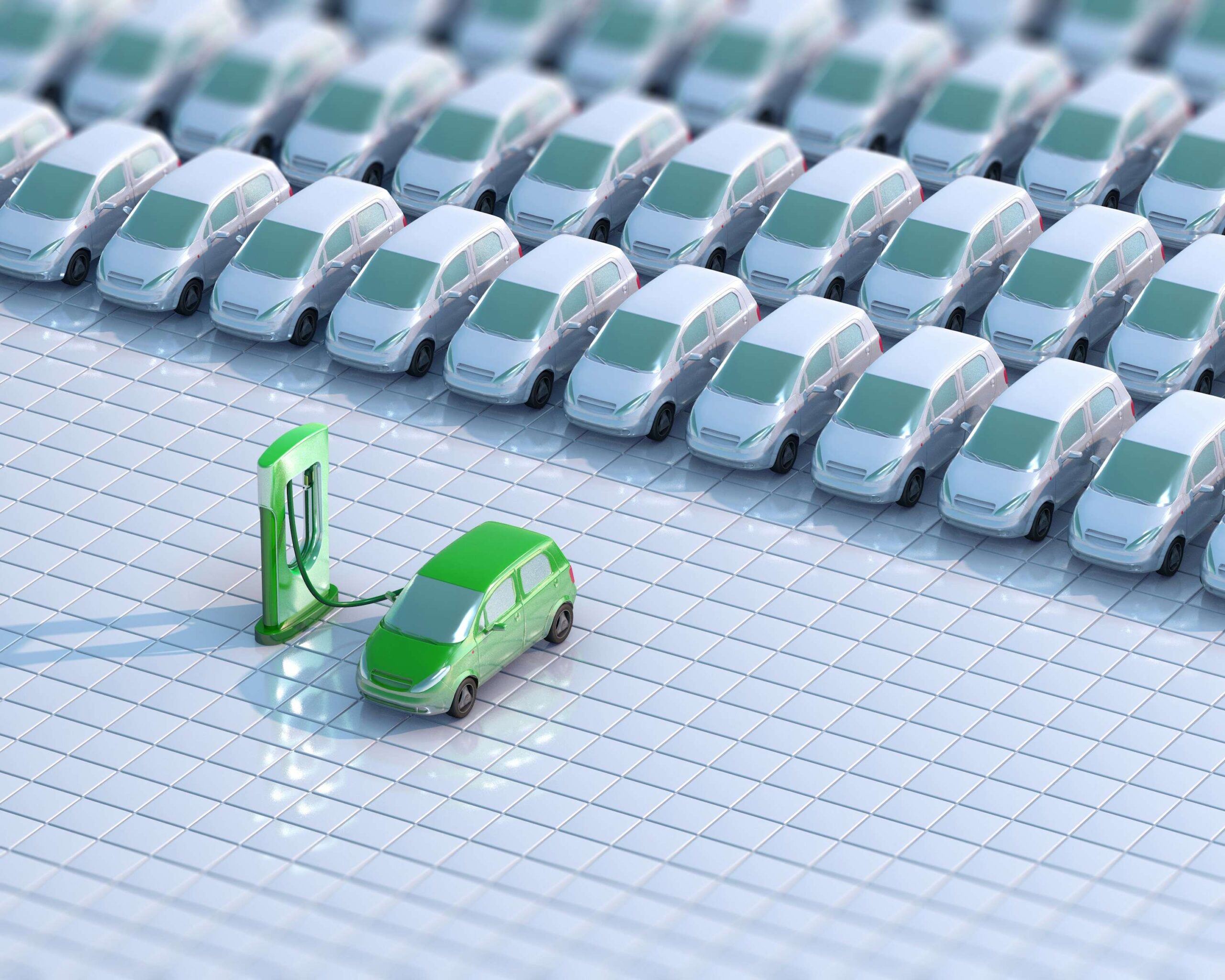
Sustainable transportation is becoming an important part of modern business operations. Companies increasingly seek ways to reduce transportation costs, improve efficiency, and minimize their environmental impact. Traditional transportation methods often depend heavily on fossil fuels, contributing to air pollution, greenhouse gas emissions, and rising operating expenses. As environmental concerns grow, businesses are exploring cleaner and more efficient transportation solutions.
From electric delivery vehicles to smarter logistics systems, sustainable transportation is changing how companies move products, manage employees, and serve customers. These changes not only support environmental goals but also create new opportunities for business growth, cost savings, and long-term competitiveness.
The Growing Importance of Sustainable Transportation
Transportation plays a major role in business activities, especially for companies involved in manufacturing, retail, distribution, and logistics. Moving raw materials, finished products, and employees requires significant energy and resources. As a result, transportation-related emissions have become an important concern for organizations.
Sustainable transportation focuses on reducing environmental damage through cleaner vehicles, renewable energy, efficient travel planning, and improved public transportation options. Businesses are recognizing that adopting these solutions can strengthen their reputation while supporting responsible business practices.
Customers are also becoming more conscious of environmental issues. Many prefer companies that demonstrate genuine efforts to reduce pollution and use resources responsibly. By investing in greener transportation, organizations can build customer trust and strengthen their brand image.
Electric Vehicles Are Changing Business Fleets
Electric vehicles are among the most noticeable developments in sustainable business transportation. Companies are replacing traditional fuel-powered cars, vans, and trucks with electric alternatives to reduce emissions and fuel expenses.
Delivery businesses, in particular, can benefit from electric fleets because their vehicles often follow predictable routes and return to central facilities for charging. This makes it easier to plan charging schedules and manage daily operations.
Although purchasing electric vehicles may require a higher initial investment, businesses can benefit from lower fuel costs and reduced maintenance requirements over time. Electric vehicles also help organizations prepare for changing environmental regulations and growing expectations for cleaner transportation.
As charging infrastructure improves and battery technology advances, electric fleets are becoming a more practical choice for businesses of different sizes.
Smarter Logistics Improve Operational Efficiency
Sustainable transportation is not limited to changing vehicle types. It also involves improving how products and materials move through supply chains. Modern logistics technology allows businesses to plan more efficient routes, monitor vehicle performance, and reduce unnecessary travel.
Route optimization software helps drivers avoid traffic congestion, choose shorter routes, and complete deliveries more efficiently. These improvements can reduce fuel consumption, lower transportation expenses, and improve delivery reliability.
Businesses can also use real-time tracking systems to monitor shipments and identify operational delays. Better transportation planning reduces wasted resources while helping companies deliver faster and more reliably.
By combining digital tools with sustainable transportation strategies, organizations can create more efficient supply chains and improve overall productivity.
Employee Transportation Is Becoming More Sustainable
Employee commuting is another area where businesses can make meaningful improvements. Daily travel to workplaces contributes to traffic congestion, fuel consumption, and environmental pollution.
Many organizations are encouraging employees to use public transportation, carpooling, cycling, and walking whenever practical. Some companies also provide shuttle services, bicycle facilities, and transportation benefits to support greener commuting habits.
Flexible work arrangements and remote work opportunities can further reduce unnecessary travel. When employees do not need to commute every day, businesses can lower their overall transportation-related environmental impact.
These initiatives can also improve employee satisfaction by providing more affordable and convenient commuting options. A workplace that supports sustainable travel demonstrates a commitment to both environmental responsibility and employee well-being.
Reducing Costs Through Green Transportation
Cost management is a major reason businesses are adopting sustainable transportation practices. Fuel prices, vehicle maintenance, insurance, and delivery expenses can significantly affect operating budgets.
Cleaner transportation solutions offer opportunities to control these expenses. Electric vehicles can reduce dependence on conventional fuel, while efficient routing minimizes unnecessary mileage. Consolidating shipments and improving delivery schedules can also help businesses transport more goods using fewer vehicles.
Although sustainable transportation investments may involve high upfront costs, the long-term financial benefits can make them worthwhile. Government incentives, tax benefits, and energy-saving programs may also help eligible businesses manage initial expenses.
Organizations that evaluate transportation costs over the entire vehicle lifecycle can make better investment decisions and identify opportunities for lasting savings.
Strengthening Brand Reputation and Customer Trust
Environmental responsibility has become an important factor in business reputation. Customers, investors, and business partners increasingly pay attention to how organizations manage their environmental impact.
Companies that adopt sustainable transportation can demonstrate measurable progress toward their environmental commitments. Using electric delivery vehicles, reducing unnecessary trips, and choosing cleaner shipping methods can communicate a genuine commitment to responsible operations.
These efforts can also help businesses stand out in competitive markets. Customers may be more willing to support brands that align with their environmental values. However, companies should communicate their achievements honestly and support environmental claims with reliable information to avoid greenwashing.
Overcoming Challenges in Sustainable Transportation
Despite its advantages, adopting sustainable transportation can present several challenges. High initial investment costs, limited charging infrastructure, battery range concerns, and operational adjustments may slow the transition.
Smaller businesses can find these changes particularly difficult because they often have limited financial and technical resources. Careful planning can help organizations overcome these barriers.
Businesses can begin by evaluating their transportation needs, identifying high-emission activities, and introducing improvements gradually. Starting with a small electric vehicle fleet, optimizing delivery routes, or encouraging employee carpooling can create measurable progress without requiring a complete operational transformation.
Partnerships with transportation providers and technology companies can also make sustainable solutions more accessible.
The Future of Sustainable Business Transportation
Sustainable transportation will continue to influence how businesses operate as technology advances and environmental expectations increase. Electric trucks, alternative fuels, smart traffic systems, and automated logistics solutions are expected to create new opportunities for cleaner transportation.
Companies that invest in these developments can improve operational resilience, reduce environmental risks, and respond more effectively to changing customer expectations.
Sustainable transportation is becoming more than an environmental initiative. It is a practical business strategy that connects cost efficiency, technological innovation, customer satisfaction, and long-term growth. Organizations that embrace cleaner transportation today will be better positioned to build efficient, responsible, and competitive operations in the years ahead.