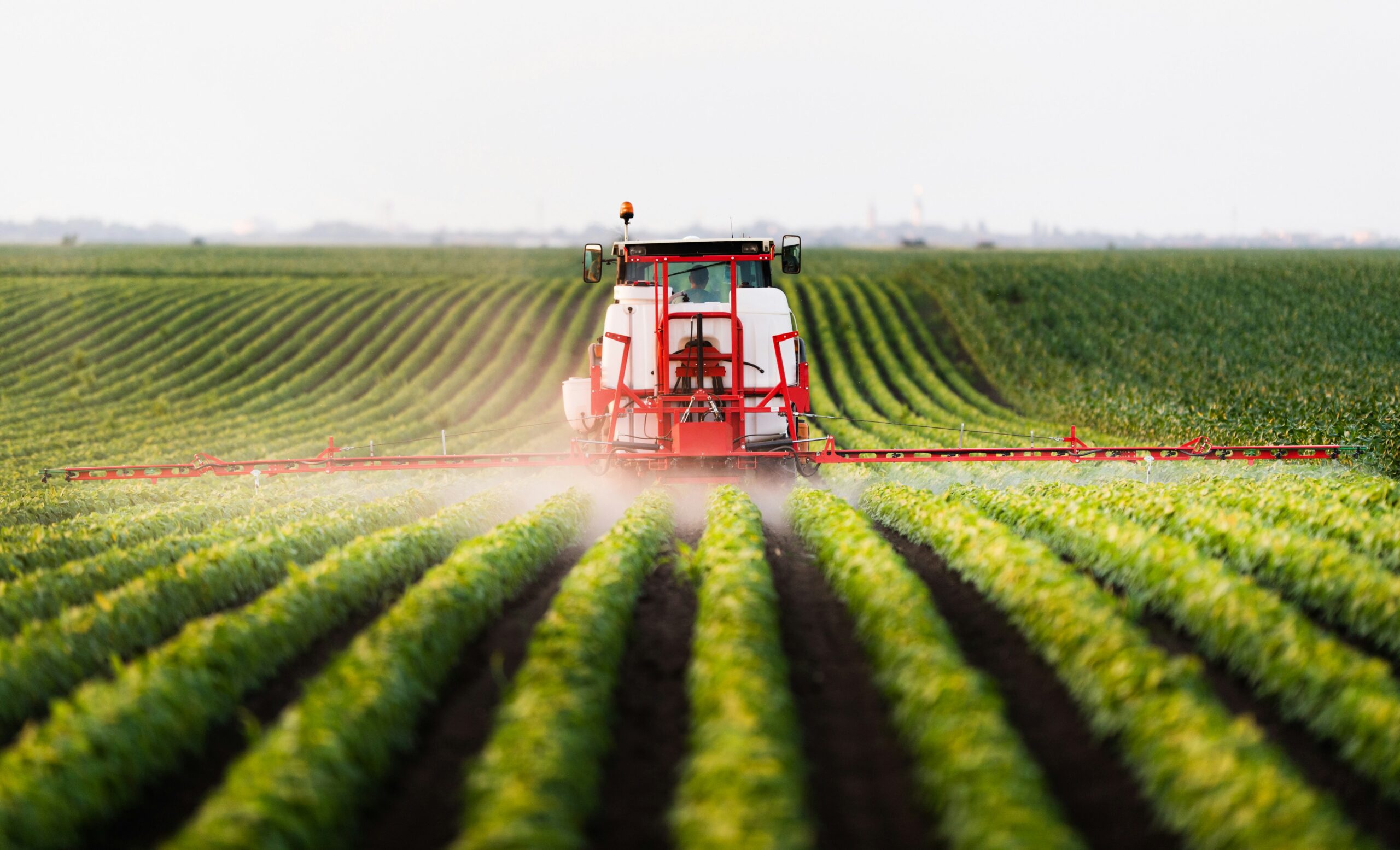
Modern farming requires reliable equipment, efficient operations, and consistent performance to meet growing food demands. Engine technology plays a major role in helping farmers complete fieldwork faster, reduce operating costs, and improve overall productivity. From tractors and harvesters to irrigation systems and other agricultural machines, advanced engines are changing how farmers manage daily operations. With better fuel efficiency, improved power delivery, and smarter engine controls, modern agricultural equipment can perform more work while using fewer resources.
The Role of Engine Technology in Modern Farming
Agricultural engines provide the power needed for essential farming operations, including plowing, planting, cultivating, and harvesting. As farming practices advance, equipment manufacturers are developing engines that deliver greater performance and improved reliability.
Modern diesel engines are designed to produce strong torque at lower engine speeds. This allows tractors to pull heavy implements and operate in challenging soil conditions without requiring excessive fuel consumption. Consistent power delivery also helps farmers maintain steady working speeds, which is important for achieving accurate results during field operations.
With dependable engine performance, farmers can complete demanding tasks more efficiently and reduce delays caused by equipment limitations.
Improved Fuel Efficiency Reduces Operating Costs
Fuel is one of the largest operating expenses in agricultural machinery. Engine technology can help farmers control these costs by improving fuel consumption without sacrificing performance.
Modern engines use advanced fuel injection systems to deliver the right amount of fuel at the right time. Electronic controls monitor engine conditions and adjust fuel delivery according to workload. This helps reduce unnecessary fuel use during both light and heavy operations.
Turbocharging also improves engine efficiency by increasing the amount of air available for combustion. When fuel and air mix more effectively, engines can generate more power while maintaining better fuel economy.
For farmers, improved fuel efficiency means fewer refueling stops, lower operating expenses, and more productive hours in the field.
Greater Torque Supports Heavy Agricultural Work
Farm equipment often operates under demanding conditions, especially when working in dense soil, hauling heavy loads, or pulling large implements. Engine torque is essential for maintaining performance during these tasks.
Modern agricultural engines are designed to deliver high torque across a wider operating range. This allows tractors to maintain pulling power even when soil conditions become difficult.
Better torque performance also reduces the need for frequent gear changes. Operators can maintain a steady working speed, improve field efficiency, and complete more work within a limited time.
Advanced Engine Controls Improve Performance
Electronic engine management systems have become an important part of modern agricultural equipment. These systems use sensors to monitor engine temperature, fuel pressure, air intake, and other operating conditions.
Based on this information, the engine control unit adjusts performance to match the current workload. This helps prevent unnecessary fuel consumption and supports smoother operation.
Advanced engine controls also improve starting performance, reduce engine stress, and help maintain consistent power output. These features are especially useful during long workdays when equipment must run continuously.
Reduced Downtime Through Reliable Engine Design
Equipment breakdowns can interrupt farming schedules and cause significant financial losses. Engine technology helps reduce downtime through stronger components, better cooling systems, and improved lubrication.
Modern cooling systems help maintain stable engine temperatures during extended operation. Improved lubrication protects moving parts from excessive friction and wear.
Many agricultural engines also include diagnostic systems that identify potential problems before they become serious. Early warnings allow farmers and technicians to perform maintenance at the right time.
Reliable engine performance helps farmers keep their equipment available when field conditions allow work.
Cleaner Engines Support Sustainable Agriculture
Environmental responsibility is becoming increasingly important in modern farming. Advanced engine technology helps reduce harmful emissions while maintaining the power agricultural operations require.
Modern diesel engines use improved combustion systems and emission control technologies to reduce pollutants. These developments help agricultural machinery meet environmental standards and support cleaner farming practices.
More efficient engines also reduce fuel consumption, lowering the carbon emissions associated with fieldwork.
Smart Engine Technology Creates More Productive Farms
Engine technology continues to develop alongside precision agriculture and digital farming systems. Modern engines can work with electronic transmissions, automated controls, and equipment monitoring technologies to improve overall machine performance.
These systems help operators match engine power to specific tasks, reduce unnecessary energy use, and maintain efficient working conditions.
As agricultural machinery becomes more intelligent, engine performance will remain a key factor in improving farm productivity. Efficient, powerful, and reliable engines let farmers complete more work, manage operating costs, and use their equipment more effectively throughout the growing season.